The Essential Equipment Guide: Choosing the Right Gear
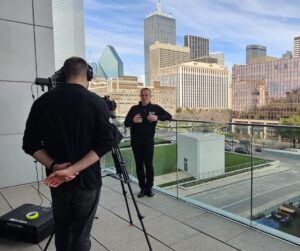
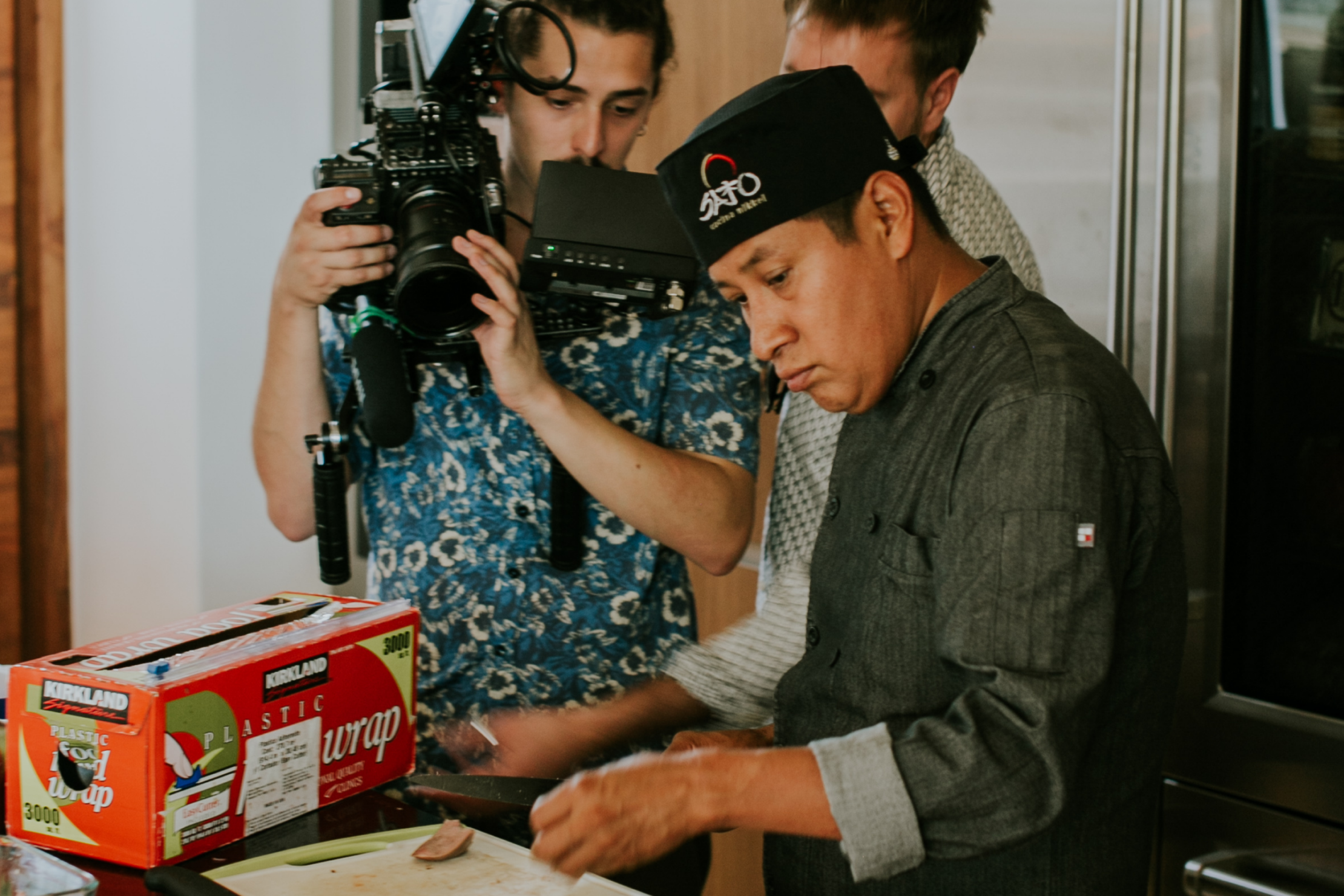
Choosing the best equipment for a video shoot isn’t about grabbing the most expensive camera – it’s about matching tools to the story, environment and constraints. If you ever wanted to know more on how media specialists do this then here’s our handy guide – step by step!
Start with the creative goal
What are you trying to achieve visually and emotionally? A polished commercial, a documentary-style interview and a cinematic short film all demand different looks. For example, if you want shallow depth of field and a ‘film look’, you might lean toward cameras like the Sony FX3 or Canon EOS C70. If portability and speed matter more, a mirrorless hybrid could be enough.
Consider the environment
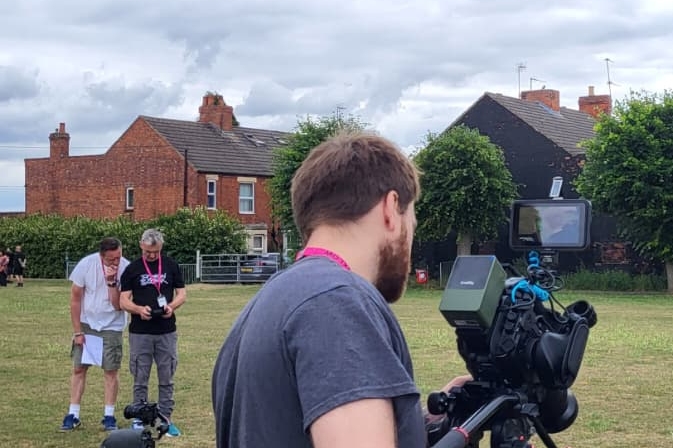
Indoors vs. outdoors, controlled vs. unpredictable lighting, quiet vs. noisy – all of these shape your gear choices. Low-light situations push you toward fast lenses and cameras with strong ISO performance. Windy outdoor shoots make lav mics risky, so you might prefer a shotgun mic with a windscreen, like the Rode VideoMic NTG.
Look at audio equipment needs
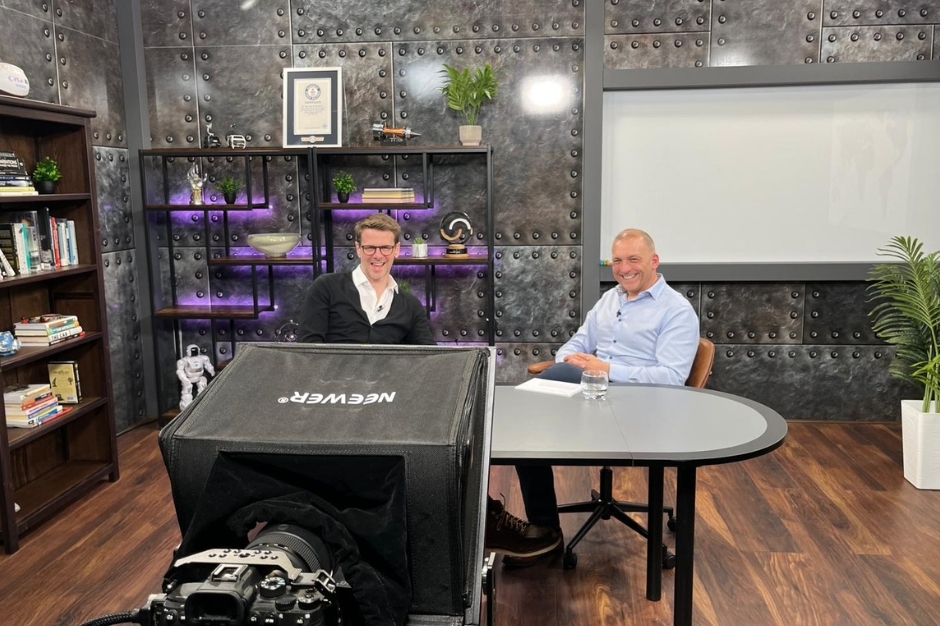
Believe it or not, these are often more critical than visuals. If you’re filming interviews, lavaliers (like the Rode Wireless GO II) are usually the safest choice. For cinematic scenes, you may want a boom setup for cleaner and more natural sound.
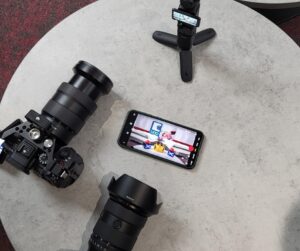
Think about camera movement and stabilisation
Static shots might only need a tripod, but dynamic shoots could require a gimbal such as the DJI RS 3 Mini. If you’re going handheld for a documentary feel, you might skip stabilisation entirely on purpose.
Ask whether you’re shaping light or just capturing what’s there. Controlled shoots often benefit from LED panels like the Aputure Amaran 100d, while run-and-gun setups might rely on natural light plus a reflector.
Factor in equipment logistics and constraints
such as budget, crew size, time and location restrictions. A solo creator will choose differently than a full crew. Travel shoots push you toward lightweight, multi-purpose (and back friendly!) gear.
Put simply, the process flows like this: story → environment → audio → movement → lighting → logistics
If you explain it this way, it becomes clear that gear isn’t the starting point – it’s the result of a series of creative and practical decisions.